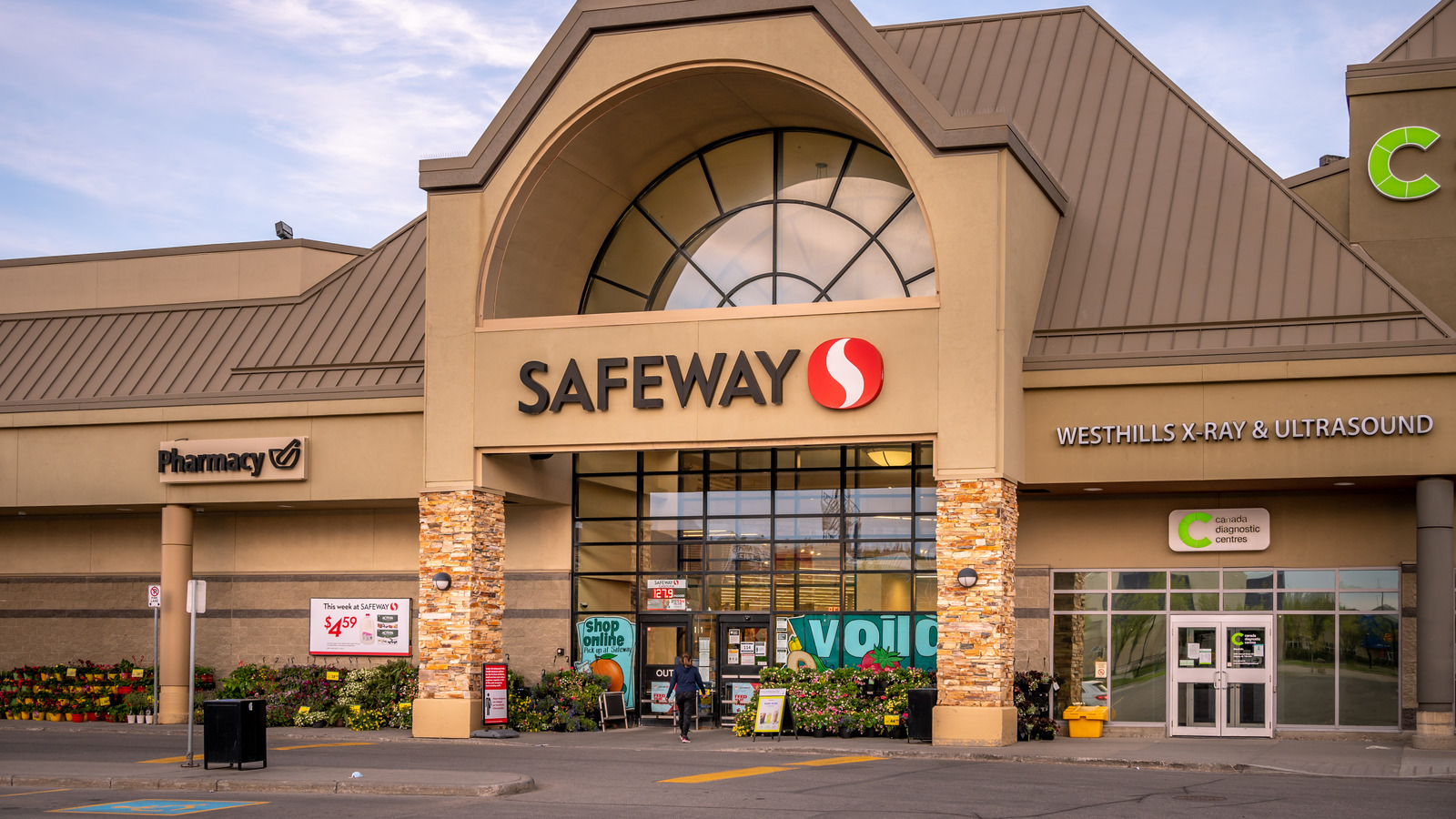
Safeway Return Policy: The Grocery Refund Rules Most Shoppers Miss
Safeway handles returns differently from many general retailers because grocery purchases include both shelf-stable goods and highly perishable items. That means shoppers often face different deadlines, refund methods, and proof requirements depending on what they bought and whether the order was placed in-store or online. This guide breaks down the practical rules that matter most: how long you have to return an item, when freshness complaints should be reported, how refunds are usually issued, what categories are commonly excluded, and how delivery-related issues are handled. It is designed for shoppers who want fast answers before visiting a store, starting a complaint, or contacting support after an online grocery order goes wrong.
The Safeway return policy generally allows returns on many non-perishable items, but the timing is much shorter for fresh food, and some categories such as alcohol, tobacco, baby formula, and prescriptions have stricter limits or no standard return path at all.
Quick Answer: Can You Return Items to Safeway?
Yes, Safeway generally allows returns on many non-perishable items within 30 days. Fresh items covered by the Freshness Guarantee are usually reported within 48 hours to 7 days, and small electronics or appliances are often limited to 15 days. Restrictions commonly apply to alcohol, tobacco, prescriptions, baby formula, and opened hygiene products. Policies are subject to change; we recommend verifying directly with the retailer.
Quick Facts Table
| Policy Area | What to Know |
|---|---|
| Refund Window | General non-perishable goods: 30 days. Fresh items: 48 hours to 7 days. Electronics & appliances: 15 days. |
| Receipt Requirement | Best results come with a receipt or digital proof of purchase. No-receipt returns may require a government-issued ID. |
| Refund Method | Usually back to the original payment method for standard receipt-based returns. Some no-receipt refunds may be issued as a store gift card at the lowest recent selling price. |
| Exchanges Allowed | Often allowed for identical or equal-value items, especially for defective non-perishables and some freshness complaints. |
| Restocking Fees | No standard restocking fee verified. |
| Online vs In-Store Differences | Online order issues are commonly handled at delivery, through customer support, or via free in-store return handling. Safeway does not offer a traditional grocery return-by-mail service. |
Policy Snapshot
Return window: 30 days for many non-perishable goods, 48 hours to 7 days for fresh items, and 15 days for electronics and appliances.
Receipt requirement: Receipt or digital purchase history is strongly recommended.
Refund method: Usually original payment method; some no-receipt cases may be store gift card only.
Exchanges: Common for defective or unsatisfactory items when allowed by category.
Restocking fees: No standard restocking fee verified.
Official Return Policy Overview
Safeway generally allows returns on many non-perishable items within 30 days, while fresh-food complaints usually need to be raised much faster. Some sensitive categories are excluded, and online grocery issues often follow a different support path from traditional shelf-item returns.
For a standard grocery shopper, the biggest distinction is between shelf-stable merchandise and fresh inventory. Many non-perishable goods fall under a general 30-day return window. By contrast, produce, meat, seafood, bakery, deli, floral, and similar perishables are commonly addressed under Safeway’s official Fresh Guarantee, where the practical complaint period is usually 48 hours to 7 days depending on the item and purchase channel.
Small electronics and appliances are more restrictive. The policy material points to a 15-day return period for those categories, which makes timing more important than it is for pantry staples or general household goods. That shorter period matters because many shoppers assume grocery chains apply one universal window across all items.
Condition also matters. For non-food items, original packaging, tags, wrappers, manuals, and other included components can affect whether the return is accepted smoothly. Missing inserts, opened packaging, or obvious customer-caused damage can slow the process or trigger denial. This is especially relevant for boxed appliances, seasonal merchandise, and impulse-purchase countertop products sold near the checkout or housewares area.
For online grocery orders, shoppers often deal with missing items, poor substitutions, damaged goods, or freshness issues instead of classic in-store returns. Safeway’s customer-support structure is built around reporting those problems quickly rather than mailing groceries back. In practice, store handling, delivery reporting, and customer-service review matter more than a traditional parcel-return workflow.
If you need the current self-service support path, Safeway’s official help page and order history page are the most relevant starting points. Policies are subject to change; we recommend verifying directly with the retailer.
Holiday Return Policy
No verified brand-wide extended holiday return window was confirmed for Safeway. Standard return timeframes appear to remain the main rule, including the usual 30-day structure for many non-perishable items and shorter freshness-related timelines for perishables.
That matters because many shoppers expect holiday purchases to receive the kind of extended January deadline commonly seen at electronics or department stores. Safeway does not appear to follow that broad model across its grocery business. Seasonal pantry items, floral orders, bakery trays, and similar purchases typically remain tied to the same category-specific rules that apply during the rest of the year.
Holiday returns may still be influenced by store-level discretion in certain situations, but no universal extended calendar was verified here. If you are buying gift-style groceries, holiday entertaining trays, or specialty seasonal food items, it is smart to review the return terms before checkout and keep the receipt or digital order record. Policies are subject to change; we recommend verifying directly with the retailer.
Exceptions to the Safeway Return Policy
- ✕Alcohol and tobacco: Once accepted or taken from the store, these items are commonly excluded because of state-law and regulatory restrictions.
- ✕Baby formula: Standard returns are typically barred after purchase because of supply-chain integrity and safety concerns.
- ✕Prescription medications: Pharmacy items are generally non-returnable because of health and tampering rules.
- ✕Opened hygiene or beauty items: Products with broken seals or opened sanitary packaging may be denied.
- ✕Improperly stored perishables: Freshness complaints may be rejected if the damage appears to result from how the customer handled or stored the item after pickup or delivery.
These exclusions exist because Safeway sells regulated, sanitary, and highly perishable goods. In those situations, the store has to balance consumer service with health standards and fraud prevention. When a direct return is not available, the next best option may be an exchange, a manufacturer warranty claim for applicable appliances, or direct customer-service review for online order problems.
Warranty Coverage Explained
Safeway is generally a seller, not the long-term warrantor, for small appliances and electronics. The store’s role is usually limited to the initial return period, after which manufacturer warranty coverage becomes the main path for defect-related issues.
For small appliances and electronics, the practical cutoff is important: Safeway’s return period is commonly 15 days. After that, shoppers are usually directed to the manufacturer instead of the store. That means proof of purchase becomes essential. A receipt is often the most important document in a warranty conversation, especially for kitchen appliances, personal-care devices, and similar branded products sold through Safeway locations.
No standalone Safeway-wide retailer warranty program was verified for general merchandise. In most cases, defects are handled either through the initial store return period or through the manufacturer’s own warranty terms. If your item is defective shortly after purchase, act quickly before the store-return window closes.
Step-by-Step Return Process
In-Store Returns
- ✓Bring the item, your paper receipt or digital purchase proof, and any original packaging or accessories still available.
- ✓Go to the customer service desk or designated returns counter rather than a standard checkout lane when the issue is more complex.
- ✓Expect the item to be reviewed for condition, category restrictions, and proof of purchase before the refund is processed.
- ✓If the return is over $25.00, manager approval may be required.
- ✓If you do not have a receipt and the transaction cannot be found, ask whether a loyalty lookup, payment-card lookup, or app history review can recover the purchase record.
Online / Mail Returns
- ✓Start with your order history through the account area or My Orders section if the issue involves a delivery or pickup purchase.
- ✓Report missing items, bad substitutions, damage, or freshness problems as quickly as possible. For some delivery issues, customer service contact within 48 hours is especially important.
- ✓Safeway does not use a traditional grocery return-by-mail model, so most online order issues are resolved through support review, point-of-delivery reporting, or a free in-store return path where appropriate.
- ✓Keep screenshots, item photos, and order details ready in case the problem involves spoilage, missing bags, or a disputed delivery.
- ✓If a refund goes back to the original method, posted timing may still take 5 to 7 business days depending on the bank or payment processor.
Refund Methods by Payment Type
Safeway generally aims to refund shoppers through the original payment path when the transaction is verified, but there are important exceptions for no-receipt returns, EBT-related purchases, and certain digital-credit situations tied to online ordering.
Credit cards: Standard receipt-based returns are often refunded back to the original credit card. Even when the store processes the refund immediately, bank posting can still take 5 to 7 business days.
Debit cards: Treatment can vary by store and region. Some PIN-based debit refunds may be handled as cash in-store, while others follow the original card path.
Digital wallets: Apple Pay and PayPal generally follow the card-refund model, but fund settlement may take longer because of third-party processing layers.
EBT and WIC: SNAP purchases must be credited back according to federal rules, and WIC items are typically exchange-only for approved replacement items rather than cash or open-ended store credit.
Gift cards and digital credits: One pain point shoppers should watch closely is the conversion of some gift-card value into Safeway Cash for online use. That can create a practical difference between money usable online and money usable at a physical checkout.
No receipt situations: If the purchase cannot be verified, the refund may be offered as a store gift card at the lowest recent selling price instead of a cash-style refund.
In-Store vs Mail Return Comparison
| Category | In-Store Return | Mail Return |
|---|---|---|
| Speed | Usually the fastest route for standard returns and receipt-based issues. | No traditional grocery return-by-mail service verified. |
| Refund Timeline | Store can often process immediately; card posting may still take 5 to 7 business days. | Not a normal Safeway grocery return channel. |
| Fees / Return Shipping Responsibility | Returning an online purchase in-store is generally free. | No verified label-fee structure because standard mail returns were not verified. |
| Convenience | Best when you have the item, receipt, and a nearby Safeway location. | Not the usual option for grocery-related returns. |
| Best For | Non-perishable items, quick refunds, receipt-based returns, and some online-order issues. | Not typically applicable for Safeway grocery orders. |
Cancellation Policy
Safeway order cancellation works best before fulfillment begins. Once picking starts or the order moves too far into processing, cancellation and editing options can disappear from the account, leaving return or refund handling as the next path instead.
For online grocery orders, the usable cancellation window is narrow. Same-day changes may be possible, but once a store associate starts picking the order, the transaction can become locked. At that point, the shopper may no longer see the edit or cancel function inside the order dashboard.
The best method is to go directly to the My Orders page and check whether cancellation is still available. If the order has already advanced, customer support may still be able to help in limited cases, but shoppers should be prepared for the possibility that the order will need to be handled as a delivery issue, pickup issue, or standard return instead.
Shipping Policy
Safeway’s grocery delivery model focuses on local delivery and pickup rather than parcel-style retail shipping. Exact costs can vary, but the provided policy material cites standard delivery fees of $9.95 to $12.95, with Flash delivery often adding about $2.00 or $3.00.
Safeway’s delivery system is designed around scheduled grocery fulfillment rather than classic e-commerce shipping boxes. In many markets, customers can select delivery windows between 8:00 AM and 10:00 PM. Standard delivery commonly falls in the $9.95 to $12.95 range. Faster Flash delivery can add a premium fee of roughly $2.00 or $3.00, depending on the offer structure.
Shoppers who order frequently may use FreshPass. The policy material cites FreshPass pricing of $14.99 per month or $99 annually, with delivery-fee waivers on qualifying orders over $30.
Safeway does not currently operate like a retailer with a standard prepaid return-label system for groceries. If an online order arrives with missing or damaged items, or the quality is unsatisfactory, the more realistic resolution path is customer support, delivery reporting, or an in-store return when appropriate. For general delivery and pickup information, shoppers can also review the official delivery page.
Customer Service & Contact Information
Safeway provides several support channels, and the most useful one depends on whether the issue is store-related, delivery-related, or accessibility-related. The verified Safeway support hub is the official contact page.
Retail Store / Corporate: 877-723-3929
Delivery & Pickup Support: 877-505-4040
Accessibility Support: 877-635-4833
Ethics / Security Hotline: 1-800-283-5965
SMS / Text Support: 844-549-1193
Retail Store / Corporate Hours: 8 AM – 10 PM EST
Delivery & Pickup Support Hours: 8 AM – 12 AM EST
Accessibility Support Hours: 8 AM – 8 PM EST
Ethics / Security Hotline Availability: 24/7
SMS / Text Support Hours: 8 AM – 5 PM PST (M-F)
Live Chat Availability: 8 AM – 12 AM EST
Quick Connect Support Table
| Support Type | Contact Method | Availability and & Customer Support Hours |
|---|---|---|
| Retail Store / Corporate | 877-723-3929 | 8 AM – 10 PM EST |
| Delivery & Pickup Support | 877-505-4040 | 8 AM – 12 AM EST |
| Accessibility Support | 877-635-4833 | 8 AM – 8 PM EST |
| Ethics / Security Hotline | 1-800-283-5965 | 24/7 |
| SMS / Text Support | 844-549-1193 | 8 AM – 5 PM PST (M-F) |
| Live Chat | Safeway Help | 8 AM – 12 AM EST |
Store Hours / Store Timings
Safeway store hours vary by location, but the provided policy material indicates that many stores commonly operate from 6:00 AM to 11:00 PM daily. Some Nevada-area locations may operate 24/7. Specialty departments often keep shorter schedules, with pharmacy and deli hours commonly ending around 7:00 PM or 8:00 PM.
Because grocery stores can adjust hours by neighborhood, season, staffing level, and department, it is still smart to confirm your specific location before heading out. Safeway’s official store locator is the most reliable place to check current location-specific hours and service availability.
Practical Tips Based on Common Retail Practices
- ✓Link purchases to your loyalty account or phone number whenever possible so you have a digital backup if the paper receipt disappears.
- ✓Inspect fresh items quickly after pickup or delivery. Waiting too long can weaken a freshness complaint, especially if storage becomes part of the dispute.
- ✓Keep packaging, inserts, and accessories for appliances and non-food merchandise until you know you are keeping the item.
- ✓Take photos of damaged or spoiled delivery items before disposing of them, especially for meat, produce, bakery items, or crushed packaged goods.
- ✓Be careful with gift-card balances added to the app if you expect to use the value in-store or at fuel pumps.
Reasons a Return May Be Denied
- ✕The item is outside the applicable return window, such as after 30 days for many non-perishables or after the shorter electronics window.
- ✕Fresh-food complaints are raised too late or the item appears to have been stored improperly after delivery or pickup.
- ✕The shopper cannot provide a receipt, loyalty history, payment lookup, or other proof of purchase.
- ✕Packaging, manuals, tags, or internal components are missing from a non-food return.
- ✕The item falls under a restricted category such as alcohol, tobacco, prescriptions, or baby formula.
Return Denial Prevention Tips
- ✓Return eligible items promptly instead of assuming grocery stores offer broad seasonal flexibility.
- ✓Save receipts and screenshots of digital orders, substitutions, and delivery confirmations.
- ✓Keep the item in the best possible condition until the return is completed.
- ✓Report freshness issues within the first 48 hours when possible, especially for refrigerated or frozen products.
- ✓Use the store desk or direct support line early if the item category is likely to trigger extra review.
Edge Case Scenarios
Lost receipt: A loyalty-account lookup, phone-number match, payment-card lookup, or app history may help recover the transaction. If the purchase still cannot be found, a gift-card-style refund may be the fallback.
Opened items: Opened grocery goods are judged heavily by category. Freshness and defect complaints may still be considered, but hygiene and safety-sensitive items are far more likely to be refused.
Gift returns: Without the purchaser’s receipt, the return path may be more limited. Expect store-credit-style outcomes to be more realistic than an original-payment refund.
Damaged or defective items: For perishables, report quickly and keep photos. For appliances, move within the 15-day store window before expecting manufacturer-warranty handling.
Late returns: Store discretion may exist, but once the listed window passes, approval becomes much less predictable.
Warranty replacement vs refund: Refunds are more likely during the store return period. After that, a branded product may move into manufacturer repair or replacement territory instead.
Official Policy Source
- ✓Official Safeway help page
- ✓Official Safeway Fresh Guarantee
- ✓Official My Orders page
- ✓Official contact page
- ✓Official delivery information page
- ✓Official store locator
Social Media Channels
Frequently Asked Questions
Can you return something to Safeway without a receipt?
Sometimes, yes. A loyalty-account lookup, phone number, payment-card search, or app history may help verify the purchase. If the transaction cannot be confirmed, the store may still use discretion, but the refund may be issued as a store gift card rather than back to the original payment method.
How long do you have to report spoiled or poor-quality food?
Fresh-item complaints are much more time-sensitive than standard non-perishable returns. The practical window is usually 48 hours to 7 days depending on the product and order type. Reporting the issue quickly gives you a stronger case, especially for meat, produce, deli, seafood, bakery, and floral items.
Does Safeway refund online grocery problems?
Yes, online grocery issues such as missing items, poor substitutions, damage, or freshness complaints can often be reviewed for refund or credit. The best results usually come from reporting the problem quickly through customer support, at delivery, or through your online account rather than waiting several days.
Can you mail a Safeway return back?
For groceries, a traditional return-by-mail process was not verified. Safeway typically handles online-order problems through support review, delivery reporting, or in-store resolution. If your issue is with a grocery order, think support contact first rather than expecting a parcel-return label workflow.
What is the return window for electronics or appliances?
Small electronics and appliances are typically more restricted than grocery goods. The policy material points to a 15-day window for those categories. After that, shoppers are generally directed to the manufacturer’s warranty rather than relying on the store as the long-term solution.
How long does a Safeway refund take?
If the store processes the refund to the original payment method, the transaction can still take 5 to 7 business days to appear back in the customer’s bank or card account. Faster visibility may happen in some cases, but payment processors and banks control the final posting time.
What time does Safeway usually close?
Many Safeway stores commonly operate from 6:00 AM to 11:00 PM, but exact hours vary by location. Some locations may stay open 24 hours, while pharmacy and deli departments often close earlier. The safest way to confirm local hours is through Safeway’s store locator.
Key Takeaways
- ✓Safeway commonly uses a 30-day return window for many non-perishable items, but fresh-food complaints usually need attention within 48 hours to 7 days.
- ✓Electronics and appliances are often limited to 15 days, so those purchases need faster action than ordinary grocery items.
- ✓Refunds to the original payment method may still take 5 to 7 business days to post, even when the store processes them right away.
- ✓Safeway does not operate like a typical mail-return retailer for groceries; many online order issues are handled through support, delivery review, or free in-store return handling.
- ✓Keeping your receipt, loyalty history, packaging, and photos of damaged items can make the difference between a smooth refund and a denied claim.