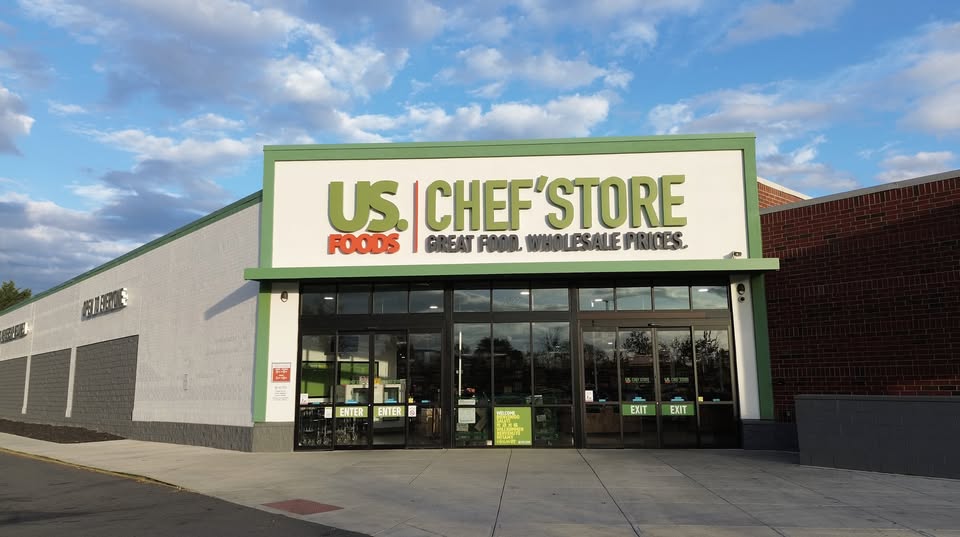
Shopping at Foods CHEF’STORE can feel different from a standard grocery or big-box store because many purchases are made in bulk, some products are foodservice-grade, and certain items may be delivered rather than taken home the same day. That means return rules, refund timing, packaging expectations, and shipping-related costs matter more than they do at a typical retailer. This guide breaks down the key points shoppers usually want to know before buying or returning items, including return windows, receipt rules, refund methods, exclusions, warranty basics, delivery return costs, and where to get help. It is designed for restaurant owners, event planners, nonprofits, and home shoppers who want a practical reference before making a purchase decision or starting a return.
The Foods CHEF’STORE return policy generally allows returns of goods in original condition within 30 days for in-store purchases, while non-perishable delivered purchases have a shorter 10-day notification window. This guide explains how refunds work, when fees may apply, and which product categories can be harder to return.
Quick Answer: Can You Return Items to Foods CHEF’STORE?
Yes, Foods CHEF’STORE generally allows returns of goods in original condition within 30 days of purchase for standard in-store transactions. For non-perishable delivered purchases, customers must notify the store within 10 days of delivery. Some categories have stricter limits, especially perishables, opened or used equipment, customized products, hazardous materials, and shipped returns that may trigger a 25% restocking fee or return-freight deductions.
Quick Facts Table
| Policy Area | Details |
|---|---|
| Refund Window | 30 days for standard in-store returns; 10 days from delivery to notify the store for non-perishable delivered purchases |
| Receipt Requirement | Receipt is generally required; account lookup and receipt-recovery tools may help in some cases |
| Refund Method | Original payment method for standard refunds; card refunds typically take 5–10 business days; cash returns over $100 are issued as in-store credit |
| Exchanges Allowed | Yes, with the item and original receipt, subject to product condition and category rules |
| Restocking Fees | 25% restocking fee may apply to commercial equipment and non-food shipped returns |
| Online vs In-Store Differences | In-store returns generally avoid processing fees; delivered and shipped returns can trigger freight charges and shorter notification deadlines |
Policy Snapshot
Return window: 30 days in store; 10 days to report eligible delivered non-perishable orders.
Receipt requirement: Usually yes.
Refund method: Original payment method in many cases; card refunds usually post in 5–10 business days.
Cash rule: Returns over $100 from cash purchases are issued as in-store credit.
Exchanges: Allowed when the item and receipt are presented and the category is eligible.
Restocking fees: 25% may apply on qualifying shipped equipment and non-food returns.
Official Return Policy Overview
Foods CHEF’STORE generally accepts returns of goods in original condition within 30 days of purchase, while delivered non-perishable orders have a 10-day notification window. The biggest pain points are perishables, opened or used equipment, and shipped returns that may carry restocking or freight deductions.
The standard rule is straightforward for warehouse purchases: items should be returned within 30 days and should still be in original condition. That matters at CHEF’STORE because many products are sold in bulk or in foodservice packaging, so opened cartons, broken seals, or missing components can affect whether an item can be restocked.
For delivered non-perishable items, the timeline is tighter. Customers must notify the store within 10 days of delivery if they want to return or exchange an eligible purchase. For shoppers ordering heavier kitchen supplies or equipment, that shorter deadline is important because waiting too long can turn a returnable item into a denied request.
Condition also matters. Unused products in original packaging are usually the safest candidates for approval. Smallwares and cooking equipment are more likely to be scrutinized if the box is damaged, accessories are missing, or signs of use are present. If the purchase was shipped, return economics can change quickly because a 25% restocking fee may apply on eligible commercial equipment and non-food supply returns, and return freight can also reduce the refund amount.
If you want a direct reference point, the official return policy and terms and conditions are the most relevant policy pages to review before starting a return.
Holiday Return Policy
Foods CHEF’STORE does not appear to use a broad seasonal holiday-extension model like some apparel or electronics retailers. Stores are generally open seven days a week, but holiday closures such as Thanksgiving Day and Christmas Day can affect the last day of a return window.
No separate extended holiday return calendar was verified in the material used for this guide. Instead, the practical takeaway is that if the last day of a standard 30-day window falls on a full-store holiday closure, the deadline effectively moves to the next business day. That helps with timing, but it does not change the underlying category restrictions or condition requirements.
Shoppers buying seasonal party supplies, foodservice tools, or large holiday-volume goods should not assume there is a special post-holiday grace period. Policies are subject to change; we recommend verifying directly with the retailer. The official return policy is the best place to check for current holiday details.
Exceptions to the Foods CHEF’STORE Return Policy
- ✕Perishable, food, consumable, and temperature-sensitive items are generally not returnable unless they were defective or spoiled at purchase or delivery.
- ✕Chemicals, cleaning agents, and hazardous materials are typically excluded for safety reasons.
- ✕Customized items and products removed from original bulk casing can be treated as final sale.
- ✕Used smallwares or cooking equipment, especially with opened packaging or damaged boxes, face a high risk of denial or a substantial restocking charge.
- ✕Shipments signed for without noting visible damage or shortages may lose later claim rights for that order.
These exceptions mostly exist because CHEF’STORE handles food safety-sensitive inventory and commercial-grade products that cannot always be resold once they leave controlled storage or original packaging. When a return is blocked, the next best option may be a manufacturer warranty claim, a store-level exchange discussion, or a support request tied to shipping damage or product defect evidence.
Warranty Coverage Explained
Warranty coverage at Foods CHEF’STORE is mainly tied to the product manufacturer for new commercial equipment, with optional extended protection available through Consumer Priority Service. Proof of purchase, model information, and serial details can be important when filing a claim.
For commercial equipment, CHEF’STORE functions as an authorized dealer for certain brands and the core protection is usually the manufacturer warranty rather than a store-created blanket warranty. That usually means defects in materials or workmanship may be covered, while misuse, accidental damage, improper installation, and ordinary wear are less likely to qualify.
The source material also references an extended protection plan through Consumer Priority Service, sometimes described as Appliance Shield, with up to five years of total coverage and a $250 food spoilage benefit for qualifying coverage. Customers may need a warranty ID, proof of purchase, and the product’s model and serial number when filing a claim. If you are checking equipment coverage, the support reference used in this guide is equipment FAQ and support.
Step-by-Step Return Process
In-Store Returns
- ✓Bring the item, original receipt, and any included accessories, manuals, or unopened packaging.
- ✓Go to the front register or customer-facing team member area rather than assuming every lane can process a return.
- ✓Expect a quick inspection of packaging, condition, and category eligibility before the refund or exchange is processed.
- ✓If you plan to keep shopping, ask whether the return can be applied as an immediate credit against the same-visit purchase.
- ✓If there is a dispute over condition or eligibility, request a supervisor review and clearly explain whether the issue is defect, shipping damage, or simple return preference.
Online / Mail Returns
- ✓Start quickly. For eligible delivered non-perishable orders, notify the store within 10 days of delivery.
- ✓Use the original box whenever possible and protect the item well, especially if it is equipment or a breakable supply item.
- ✓Keep copies of tracking, shipping photos, and any delivery documentation before the item leaves your control.
- ✓Expect return shipping responsibility on shipped orders. Small parcels can have a minimum $20 deduction from the refund, while larger LTL freight costs may be much higher.
- ✓On qualifying shipped equipment and non-food supply returns, a 25% restocking fee may apply in addition to return freight costs.
Refund Methods by Payment Type
Refunds usually go back to the original payment method, but the timeline and format can differ. Card refunds typically take 5–10 business days, while cash purchases over $100 are commonly refunded as in-store credit instead of cash.
Credit and debit card returns generally follow the standard bank-processing route, so even if the return is approved quickly, the visible posting time can still fall in the 5–10 business day range. That is a frequent shopper frustration, especially on large orders, but it is tied to payment processing rather than only the store’s internal timing.
Cash transactions follow a stricter rule when the refund amount is high. If the original purchase was made with cash or a cash equivalent and the return value exceeds $100, the refund is issued as in-store credit. That distinction matters for event buyers and small operators who make large same-day warehouse purchases in cash.
The source material also notes an in-store convenience feature: when a return is processed during the same visit and the customer continues shopping, the refund can sometimes be applied immediately as credit against the new purchase. For split tenders, wallet-based services, or promotion-heavy transactions, no exact universal rule was verified here, so customers should confirm the final refund path with the store.
In-Store vs Mail Return Comparison
| Factor | In-Store Return | Mail / Shipped Return |
|---|---|---|
| Speed | Usually faster because staff can inspect the item immediately | Slower because transit and receiving review add time |
| Refund Timeline | Approval can happen same visit; card posting still typically 5–10 business days | Usually starts after return receipt and review; card posting still depends on payment processor |
| Fees / Shipping Responsibility | No processing fee for qualifying in-store returns | Customer pays return freight; small parcels can have a minimum $20 deduction; qualifying items may also face a 25% restocking fee |
| Convenience | Best if you live near a warehouse and want faster answers | Better for distant customers, but more expensive and more deadline-sensitive |
| Best For | Unopened goods, quick exchanges, same-day shopping credit | Customers without a nearby store or returns involving shipped orders |
Cancellation Policy
Order cancellation at Foods CHEF’STORE appears to have a very narrow window. Once an order moves into processing, cancellation may no longer be possible and the order may need to be handled through the return process instead.
This is especially relevant for online or routed orders because the source material indicates warehouse systems can begin routing and boxing an order within 5 to 10 minutes after the transaction is finalized. That means customers who notice a wrong quantity, duplicate item, or incorrect shipping address should act immediately rather than waiting for an order-confirmation follow-up.
If the order is still early enough in the workflow, support may be able to help. Once the order status shifts to processing, the practical path usually becomes delivery first, return second. That can be costly if the item qualifies for a 25% restocking fee or return freight deductions. Customers can review the official terms and conditions for the broader site and order rules.
Shipping Policy
Foods CHEF’STORE uses multiple fulfillment channels depending on the order type. Typical parcel shipping is 3–7 business days, while local grocery delivery can arrive in as little as 2–4 hours through third-party services. Return freight costs can fall on the customer for shipped returns.
Shipping expectations depend on whether you are using warehouse pickup, local grocery delivery, or parcel shipment. The source material identifies parcel shipping through major carriers with a typical 3–7 business day window. Local grocery delivery is faster and can run on a 2–4 hour timetable through third-party delivery partners, while Click&Carry pickup is based on the customer’s selected schedule.
Return shipping responsibility is one of the most important cost issues. For shipped orders, customers are generally responsible for return freight. Small parcels can reduce the refund by at least $20, while larger freight shipments may cost much more depending on the carrier rate. If a customer receives an LTL shipment with visible damage, noting that damage on the delivery paperwork is critical because a clean signature can weaken later claims.
You can compare current service details on the official grocery delivery page, the terms and conditions, and the Click&Carry service pages.
Customer Service & Contact Information
Foods CHEF’STORE provides several direct support paths depending on the issue. Main support is listed at (800) 662-4242 with availability of 8AM–5PM PST. Online and equipment support is listed at +1 (347) 573-9742 with availability of 9AM–5PM EST, Monday through Thursday. Warranty support through CPS is listed at (800) 905-0443 with hours of 9AM–6PM EST. The source material also lists cs@thechefstore.com for rapid contact on order issues and references a help and FAQ page plus a receipt manager tool.
Quick Connect Support Table
| Support Type | Contact Method | Availability and & Customer Support Hours |
|---|---|---|
| Main Support | (800) 662-4242 | 8AM–5PM PST |
| Online / Equipment | +1 (347) 573-9742 | 9AM–5PM EST (M–Th) |
| Warranty (CPS) | (800) 905-0443 | 9AM–6PM EST |
| Billing / Arrears | 24/7 review intake | |
| Order Email | cs@thechefstore.com | Use immediately for urgent order issues |
Store Hours / Store Timings
Most Foods CHEF’STORE locations are described as operating from 6:00 AM to 6:00 PM Monday through Saturday, with reduced hours of 8:00 AM to 5:00 PM on Sunday. Those are useful planning benchmarks for early-morning restaurant buyers and bulk shoppers, but location-level hours can still differ. For the most current warehouse hours, closures, and holiday status, customers should confirm through the official store locator.
Practical Tips Based on Common Retail Practices
- ✓Keep original bulk packaging, inserts, and accessories together until you know you will keep the item.
- ✓Save your receipt digitally or use account-linked tools early, especially on large warehouse purchases.
- ✓Take photos before mailing back any eligible item so you have condition proof if a dispute arises.
- ✓Inspect delivered equipment or LTL freight before signing, and note visible damage or shortages on the paperwork.
- ✓For heavy or high-value returns, compare the refund value against the 25% restocking fee and freight cost before choosing a shipped return.
Reasons a Return May Be Denied
- ✕The return is outside the 30-day store window or outside the 10-day notification period for eligible delivered non-perishable items.
- ✕The item is perishable, temperature-sensitive, or otherwise excluded from resale after leaving controlled conditions.
- ✕Packaging is opened, missing, damaged, or no longer suitable for resale.
- ✕The product shows use, tampering, broken security seals, or customer-caused damage.
- ✕An LTL shipment was accepted without documenting visible loss or damage at delivery.
Return Denial Prevention Tips
- ✓Return items promptly instead of waiting until the last possible day.
- ✓Keep proof of purchase and use the receipt manager if paperwork goes missing.
- ✓Do not discard original boxes, labels, manuals, or manufacturer packaging too early.
- ✓Photograph delivered goods immediately if there is visible damage, especially on freight shipments.
- ✓Use tracked shipping and keep handoff records if the return must be sent back rather than handled in store.
Edge Case Scenarios
Lost receipt: A lost paper receipt does not always end the process. Account-linked lookup, card-based transaction matching, and the receipt manager may help. If the transaction still cannot be verified, expect store credit to be more likely than a cash refund.
Opened items: Opened foodservice goods are harder to return because resale value and food safety rules matter. For equipment, opened boxes and broken seals can also increase denial risk.
Gift returns: The best outcome usually depends on having a receipt or enough transaction detail to trace the order. Without documentation, exchange flexibility may be limited.
Damaged or defective items: Act fast, especially on deliveries. For LTL shipments, note damage at delivery. For equipment defects, manufacturer warranty routes may be more practical than a standard return.
Late returns: A late request is more likely to be denied unless the issue is tied to a documented defect or a manager-approved satisfaction exception.
Warranty replacement vs refund: If a commercial equipment problem appears after installation or use, a warranty claim may be more realistic than trying to force the issue through the standard return desk.
Official Policy Source
Social Media Channels
Frequently Asked Questions
How long do you have to return items to Foods CHEF’STORE?
Standard in-store purchases generally have a 30-day return window if the item is in original condition. For eligible non-perishable delivered purchases, the notification window is shorter: 10 days from delivery. That shorter deadline is one of the biggest details shoppers miss.
Does Foods CHEF’STORE charge a restocking fee?
Yes, a 25% restocking fee may apply to commercial equipment and certain non-food shipped returns. That fee is separate from return freight costs, which can also reduce the final refund. In-store qualifying returns generally avoid those processing charges.
Can you return food or perishable items?
Perishable, food, consumable, and temperature-sensitive products are generally excluded from return unless they were defective or spoiled at the time of purchase or delivery. This is tied to food safety controls and resale restrictions rather than ordinary retailer preference.
How are refunds issued at Foods CHEF’STORE?
Refunds typically go back to the original payment method. Credit and debit card refunds commonly take 5–10 business days to appear. If the original purchase was made with cash and the return value exceeds $100, the refund is generally issued as in-store credit.
What happens if I lost my receipt?
A receipt is usually required, but receipt lookup and account-linked recovery tools may help. If the store can verify the transaction through payment history or a customer account, you may still have options. Without verification, store credit is usually more likely than a standard refund.
Can I cancel an online order after placing it?
Possibly, but the window can be very short. The order workflow may begin within 5 to 10 minutes, so customers need to contact support immediately. Once an order reaches processing status, cancellation may no longer be possible and the return process may be the only path.
Where can I check Foods CHEF’STORE store hours?
Many locations follow a general schedule of 6:00 AM to 6:00 PM Monday through Saturday and 8:00 AM to 5:00 PM Sunday. Still, store-level hours can vary, so the official store locator is the best source for current opening times and holiday closures.
Key Takeaways
- ✓Foods CHEF’STORE generally allows in-store returns within 30 days, but eligible delivered non-perishable purchases must be reported within 10 days.
- ✓Shipped returns can be expensive because a 25% restocking fee may apply and small parcels can have a minimum $20 refund deduction for return freight.
- ✓Perishables, hazardous materials, customized products, and used or opened equipment are among the categories most likely to face denial.
- ✓Card refunds typically take 5–10 business days, and cash returns over $100 are commonly issued as in-store credit instead of cash.
- ✓For the smoothest outcome, keep packaging, save proof of purchase, inspect freight before signing, and use in-store returns when possible.

