


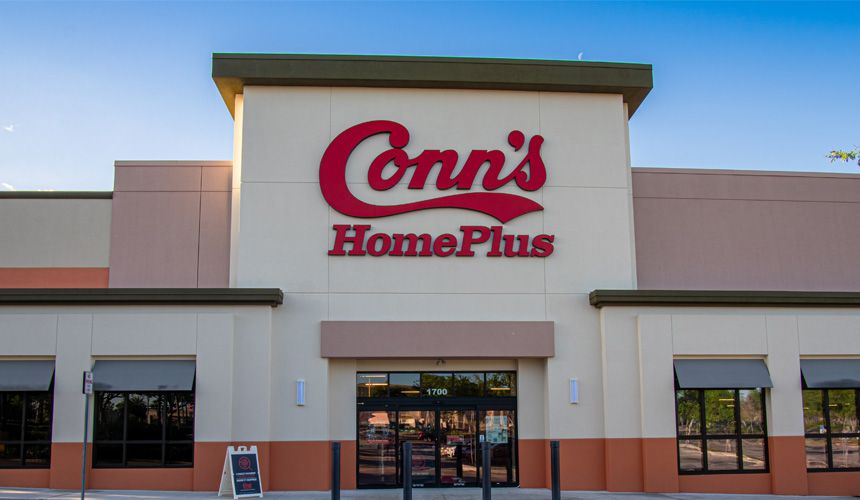
Quick Answer: Conn’s no longer operates the old chain of showrooms as a normal place to bring back a new purchase. If you bought furniture, a mattress, an appliance, or electronics from Conn’s before the store closures, the answer depends on when and how you bought it, who financed it, and whether your request concerns the merchandise or a separately purchased protection agreement. An old return window does not create a new return counter at a closed store. Find your receipt, financing papers, delivery record, and any Retail Service Agreement (RSA) before deciding where to send a request.
This guide addresses legacy US Conn’s transactions. It is not a promise of a refund or a statement that the current website is accepting ordinary merchandise returns. For a currently operating online furniture retailer, the transaction and return process may look different; see the Wayfair return policy when comparing how an active retailer handles delivery and order-specific return instructions.
What changed for Conn’s shoppers?
Conn’s store closures and bankruptcy-related changes interrupted the familiar model in which a customer could ask a local sales associate to authorize a return, exchange an appliance, or schedule a merchandise pickup. The current Conn’s website is the appropriate starting point for any contact details and notices still published for former customers, not proof that a nearby showroom has reopened or that past return policies remain available. A legacy return flyer found in a search result can be useful evidence of terms on a specific purchase date, but it cannot establish that a refund is being processed today.
First identify the request: an undelivered purchase, an item you received and want to return, an item with a fault, an outstanding installment account, or cancellation of an optional protection plan. Each may involve a different company or administrator. A lender collecting installment payments is not necessarily the party that can approve a product return. Likewise, a manufacturer’s warranty claim is not automatically a retailer refund.
If the merchandise was never delivered
Collect the original order confirmation and the agreed delivery date. Check whether Conn’s actually charged your payment card, whether an installment account recorded a purchase, and whether a shipping or delivery contractor marked the order delivered. Record what happened, not just what a tracking page currently shows. Screenshots of cancellation requests, text messages from a delivery team, and a missing delivery signature can be important.
Use the contact and account channels linked from the Conn’s website to ask for written confirmation of the order’s status and whether an existing refund or delivery claim remains open. If the order is financed, ask the creditor or servicer separately how an undelivered-order dispute appears on your statement. Do not assume that simply telling a store it never delivered the sofa automatically suspends a finance contract. Continue watching statement due dates and communicate in writing with the entity collecting payments.
Example: A washing machine was paid for through an installment plan, but its scheduled delivery never occurred. The customer should present the order number and delivery confirmation to the order contact, then separately send the creditor a copy of the documentation and request a written explanation of the account balance. It would be misleading to claim that submitting either inquiry immediately clears the entire balance.
For an item received before the closures
Start with the receipt and any return or exchange terms given at the time of sale. The old policy may have varied by category: a sealed TV, delivered furniture, mattresses, and used appliances do not necessarily qualify for the same treatment. Some item types may have incurred delivery or handling costs. Without the terms applicable to your transaction, a current generic “Conn’s return policy” cannot establish a valid deadline, fee, or refund method for your purchase.
Photograph the item, serial number, proof of delivery, and any defect. Distinguish buyer’s remorse from an order-error claim: receiving the wrong refrigerator is not the same situation as deciding that a correctly delivered refrigerator is too large. If a store or service channel directs you to a successor company, request the full legal name, claim or case number, the reason that company is responsible, and the document specifying what remedy it can provide. Do not pay a stranger who contacts you claiming that a fee is required to “release” a Conn’s refund.
For a product that stopped working, check your purchase documents for a manufacturer warranty, a Conn’s RSA, and any separate installer guarantee. A broken item does not necessarily need to be shipped to a defunct retail address. Its manufacturer may be able to identify an authorized repair route based on the serial number. Do not take an appliance apart or authorize out-of-pocket work before confirming whether the responsible warranty provider needs to inspect it.
How to handle an RSA or other optional protection plan
An RSA is a separate service agreement, not a general promise that Conn’s will repurchase merchandise. Conn’s published an RSA cancellation form and accompanying terms for an identified version of its agreement. That document describes a full RSA charge refund when cancellation occurs within the first 30 days and no claim has been made; later cancellations are calculated on a prorated basis, with possible adjustments for a cancellation fee and claims already paid. Those terms should be checked against your own agreement version, state, purchase date, and administrator before estimating any refund.
Ask whether your coverage is still active, who presently administers it, which plan number they have recorded, and what supporting documents are required. A service-contract administrator may handle a covered repair even when the former retailer’s physical store is shut. If the contract was financed with the merchandise, a plan cancellation credit may be applied to the account balance rather than sent as cash. The published cancellation material warns that such a credit does not by itself lower the scheduled installment payment. Request both the cancellation calculation and an updated account statement so you can see where a credit went.
Example: You paid for a three-year RSA when purchasing a dryer and want to cancel it after the first year. The correct question is the remaining unearned plan charge under your agreement, less any contractually permitted deductions, not “Can I get the dryer’s full price back?” Obtain the plan document and a transaction-level credit confirmation before making assumptions about the amount.
What about financing, refunds, and a remaining balance?
Three records matter: the amount initially financed, credits the account has actually received, and what the creditor currently says you owe. A product refund, a canceled warranty credit, and the payoff balance may appear on separate dates. An authorized product cancellation may not instantly reverse related tax, delivery costs, fees, or accrued financing charges; your agreement and written adjustments determine the result.
If the servicer says a credit was issued but your balance appears unchanged, request a transaction history showing its posting date and how principal or charges were adjusted. Save copies of statements before and after the adjustment. If payments remain scheduled during the review, ask about the current contractual due date rather than assuming that your return request stopped collection activity. Where a separate payment-card purchase is involved, keep the card statement and refund reference; an unposted retailer credit is not the same thing as cash received.
A bankruptcy claims process, if applicable to your transaction, is not an ordinary returns portal. It may impose its own eligibility, filing procedures, and deadlines, and it does not guarantee recovery. Use only verified case notices or notices received from authorized administrators before sharing sensitive account information.
A practical checklist before contacting anyone
Write a one-paragraph timeline: purchase date, item and model, promised and actual delivery, when the problem first appeared, every contact made, and the remedy you requested. Attach the purchase invoice, applicable policy or RSA pages, photos, delivery documents, and payment records. Remove unnecessary personal details from any public message; use official account channels for identifying information.
When a support representative answers, ask for a case number and written next steps. Confirm the recipient’s authority to approve a return or service claim, whether the item must be kept for inspection, whether a pickup is actually scheduled, and who pays transportation costs. Do not dispose of a faulty appliance or send it to an unverified warehouse on verbal instructions. An unanswered support request is not approval to ship.
Holiday purchases, exchanges, and defective items
Do not apply a holiday-shopping extension found in an old advertisement to a current legacy claim without a dated policy tied to your purchase. A promotional holiday return period, when one existed, concerned specified eligible merchandise and dates; it did not necessarily extend RSA cancellation deadlines, financing obligations, or manufacturer warranty coverage. Exchanges may also be impossible where a former retail chain no longer stocks replacement inventory. Ask what remedy can actually be fulfilled.
If an item arrived damaged, keep delivery photos and identify whether damage was documented before the delivery crew left. If a problem emerged later, check warranty start dates and required service steps. For a mismatch between the promised model and delivered item, include both model numbers and the order description. These distinctions give the responsible party enough information to evaluate your request without guessing which legacy rule applies.
Frequently asked questions
Can I take an old Conn’s purchase back to any former location?
No ordinary walk-in return should be assumed at a closed showroom. Locate current verified contact information and request case-specific instructions. Do not leave merchandise at a vacant building or send a parcel to an old store address.
Does canceling an RSA cancel the appliance financing too?
No. The RSA and the underlying product financing are different obligations. A plan credit may reduce an account balance but does not automatically eliminate scheduled payments or unwind the merchandise purchase.
Does a manufacturer’s warranty mean Conn’s must give me cash?
No. A manufacturer’s warranty may authorize diagnosis, repair, or replacement under that manufacturer’s terms. Review the warranty paperwork and request the authorized service channel for the exact model.
Can I rely on the former 30-day return rule I saw online?
Not without connecting that rule to the particular merchandise, transaction date, and party currently able to administer the claim. A dated RSA cancellation provision is also not a blanket 30-day merchandise return promise.
What if I already received an email promising a refund?
Preserve the full email, sender address, stated amount, reference number, and any payment record. Verify the sender through a separately obtained official contact, then request the refund’s processing status in writing. An email promise is evidence to investigate, not proof that money has reached your account.
Bottom line: For a Conn’s legacy purchase, determine who is responsible for the specific item, contract, or balance before following any return instructions. Keep the original transaction documents and ask for a written resolution rather than treating an outdated store policy as a currently available refund service.