


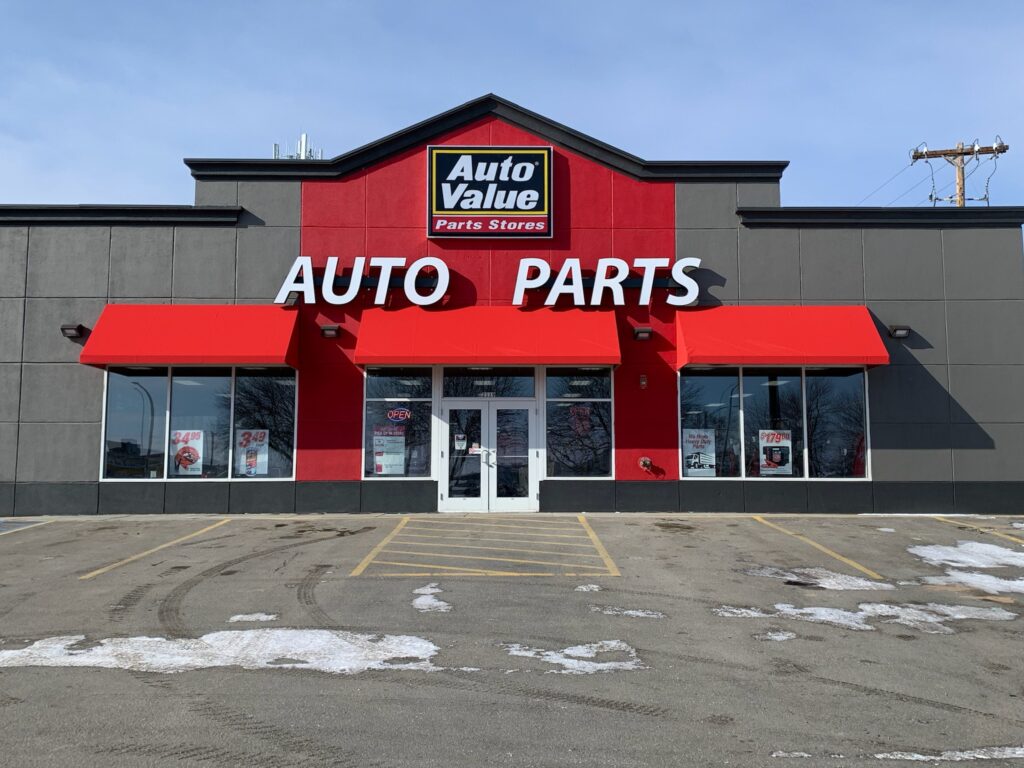
Quick answer: Auto Value is a network of automotive parts stores and repair businesses rather than one universally identical online checkout. The published Auto Value Parts Stores return page says eligible new items, certain damaged or incorrectly supplied items, and used cores may be returned under its rules. For qualifying purchases returned within 30 days, the site describes a refund to the original payment method; after 30 days, returns must be made in-store with the original purchase receipt. Participating location and sales channel matter. Confirm that your store participates in the relevant online program and use the official Parts Stores returns-and-cores guidance for the exact transaction.
A parts network is not one cash register
Auto Value’s main website describes a network of independent parts stores, warehouses and repair shops. A component bought at a participating shop.autovaluestores.com location may have an identifiable web order and published online pickup/return route. A part sold by a separately operated network member, or a repair service performed by a participating garage, may involve that merchant’s invoice and business terms. Do not infer from a nationwide brand logo that every store will accept any other store’s receipt or issue a cash refund for a third party’s online order.
Begin by identifying the merchant name, physical store, order number and whether the transaction was a retail part sale, buy-online-pickup-in-store order or a paid repair. Parts and labor can be separate line items, and a problem with the car after a repair may require diagnosis under a service warranty rather than a retail parts return. The official Auto Value location directory helps locate stores, but the presence of a branch in the directory does not by itself prove that it can reverse a particular unrelated store’s transaction.
New unused parts: box condition, fitment and purchase date
The published return conditions allow new merchandise in original packaging and condition. A buyer who ordered the wrong brake pad set should preserve the item labels, pads, shims and hardware while checking compatibility, and should avoid fitting the pads to a caliper merely to see if the shape looks right. A part that has been bolted onto the vehicle and used is not interchangeable with an unused part in its original box. When the box is opened, keep all components and check the individual return rule before bringing the package to the counter.
Auto Value Parts Stores says qualifying returns made within 30 days can be refunded to the original tender. Count from purchase, keep the receipt and do not assume a later installation appointment extends the standard window. For returns after 30 days, its guidance requires visiting a store and presenting the original receipt. It does not promise that every old, used or non-stock part will be accepted indefinitely; verify product category and store acceptance rather than treating the after-30-day instruction as a lifetime return guarantee. Some special-order components may have their own sale conditions on the invoice.
The core charge is not the price of a new part
An alternator, starter or other remanufactured unit may be sold with a separate core charge. That charge encourages the return of the old recyclable unit, and a subsequent core credit is different from canceling the purchase of the functioning replacement. If you paid a core charge, retain the old component, the new item’s box and the receipt. Auto Value’s guidance directs customers to drain fluids from the core where applicable, place it in a plastic bag to prevent leakage, and pack it in the box containing the new part. Bring the used core and purchase record to a participating store. Ask the counter to identify the separate core-credit line on the return receipt so you can confirm that the core refund was applied without accidentally reversing the purchase of the installed replacement part.
Scenario — replacement alternator installed successfully: The customer should not request a return of the new working alternator merely to recover the core charge. The appropriate transaction is a used-core return, with the old alternator properly contained and the eligible core credit reconciled to the invoice. A used core can be dirty or worn by its nature, but eligibility and value may still depend on the program’s conditions and identification of the correct part. Never return a leaking unit loose in a passenger seat or mix parts from different invoices and assume the counter can identify each original charge.
Buy online, pick up in store: locate a participating counter
The official Parts Stores page says participating Auto Value locations can process qualifying returns or exchanges of Buy Online Pick Up In-Store items with a valid receipt or order confirmation. It advises shoppers to use its locator to identify a participating store. Bring the same order identifiers used at pickup; a store associate may need to confirm the specific SKU, location and original tender before processing the reversal. Do not assume that every auto repair shop in the Auto Value network is a retail counter equipped to refund a web order.
When collecting a BOPIS order, verify the part number, engine and trim compatibility before leaving. If an order contains two different components and one is incorrect, separate their package labels and keep the checkout record. An ordinary return is not always the fastest fix when a replacement part is needed to finish a vehicle repair that day; ask the store whether an eligible exchange is available and whether the exact correct item is in stock. The exchange procedure should still document the returned part and new purchase properly.
Damaged shipments, wrong items and real manufacturing faults
Auto Value’s published eligible-return categories include items received damaged, defective or in error. If a part arrives cracked, has a missing connector or bears a different part number from the paid order, document that discrepancy before installation. Photograph the packaging, item label and visible defect, then contact the actual selling store with the receipt and the vehicle application details. A buyer who discovers an incorrect part should not modify, cut or solder it in an effort to make it fit, then describe the altered item as new and unused.
A part that fails after ordinary use is a distinct warranty question. A starter that will not engage may have a product defect, but it can also be affected by battery voltage, wiring or another installation problem. Do not promise an automatic cash refund or a free replacement based solely on a symptom. Keep the manufacturer label, service history and any diagnostic findings and ask whether the part is covered by its manufacturer’s warranty or the Auto Value program that applies to the transaction. Where the store sold a repair service, ask about its service warranty rather than presenting a garage invoice as an ordinary merchandise receipt.
How Auto Value's network warranties relate to returns
The main Auto Value site describes warranty programs for North American parts and participating certified service centers. That does not mean every replacement part is covered for the same duration or that a retail return window and labor warranty are equivalent. A program may have product-specific conditions, purchase documentation and requirements for participating service shops. Review the official parts-and-service warranty overview, then request the precise warranty document for the part or repair listed on your invoice.
If a customer bought a new battery, had it installed at a separate garage and later noticed a charging issue, the original parts merchant, installer and manufacturer may each hold different records. Determine whether you are asking for a refund of a returned unused part, coverage of a failed component or compensation for a labor problem. Present one accurately documented question at a time. A store cannot be expected to treat every vehicle fault as proof that the recently bought component was defective, and a warranty provider may require its own testing or authorization procedure.
Refund method, waiting period and reconciliation
For eligible original-payment refunds inside the published 30-day period, inspect the store’s credit memo and the original transaction rather than assuming the refund will appear in a different account or as cash. Card posting can occur after the counter has processed the credit. A core charge may show as a separate item; confirm that the correct old unit was accepted and that its core credit is recorded independently of any merchandise adjustment. If a refund amount differs from the original receipt, ask which charge is being reversed and whether another line was excluded or separately handled.
The source does not publish a universal bank-posting day for every participating store and tender. Do not quote a guaranteed three- or seven-day refund period without transaction-specific confirmation. If no credit appears after the store’s stated processing period, contact the location with the credit memo and original receipt. Protect your full card details; an itemized invoice, order identifier and the last four digits of the original payment method are more useful for secure reconciliation than sending unredacted financial records to an unofficial support address.
Holiday sales, repair schedules and realistic examples
The checked network and store-policy pages do not create a blanket holiday return extension for every branch. A part purchased before a long weekend is still subject to the applicable purchase-date rule unless the actual seller communicated an extension. Plan fitment checks promptly: a customer waiting weeks for a mechanic’s appointment may use up an ordinary change-of-mind window while the unopened part sits on a shelf. Keep proof of any separately promised holiday adjustment from the merchant rather than relying on a generic search result.
Scenario — wrong filter for a specific engine: Compare the part number and vehicle fitment before opening the filter package, then bring the untouched product and receipt to the selling store. Scenario — old starter in the new starter’s box: Identify the core charge on the invoice and return the old unit under core instructions, not as a refund of the new installed starter. Scenario — defective part after use: Bring the purchase record and diagnostic details and ask about the manufacturer’s or network warranty instead of asserting a standard thirty-day new-item return. For a different auto retailer’s own program, our AutoZone returns guide shows why it is important not to apply a competitor’s core or warranty rules to Auto Value.
FAQ on Auto Value parts and core refunds
Can I return a part after 30 days? The Parts Stores guidance requires an in-store return with the original receipt after that point, but eligibility still depends on the product and merchant; it is not an unconditional lifetime promise. Can a used core earn a credit? Yes, when it is the eligible core from the paid remanufactured part and is properly prepared and identified. Does the retail return policy cover paid repair labor? Not automatically; ask about the shop’s applicable service warranty. Can every Auto Value location process my online order? Check whether the store participates in the relevant web ordering and pickup program. Where are the current instructions? Consult the exact merchant and the official Parts Stores returns-and-cores page, then preserve the invoice and item labels.