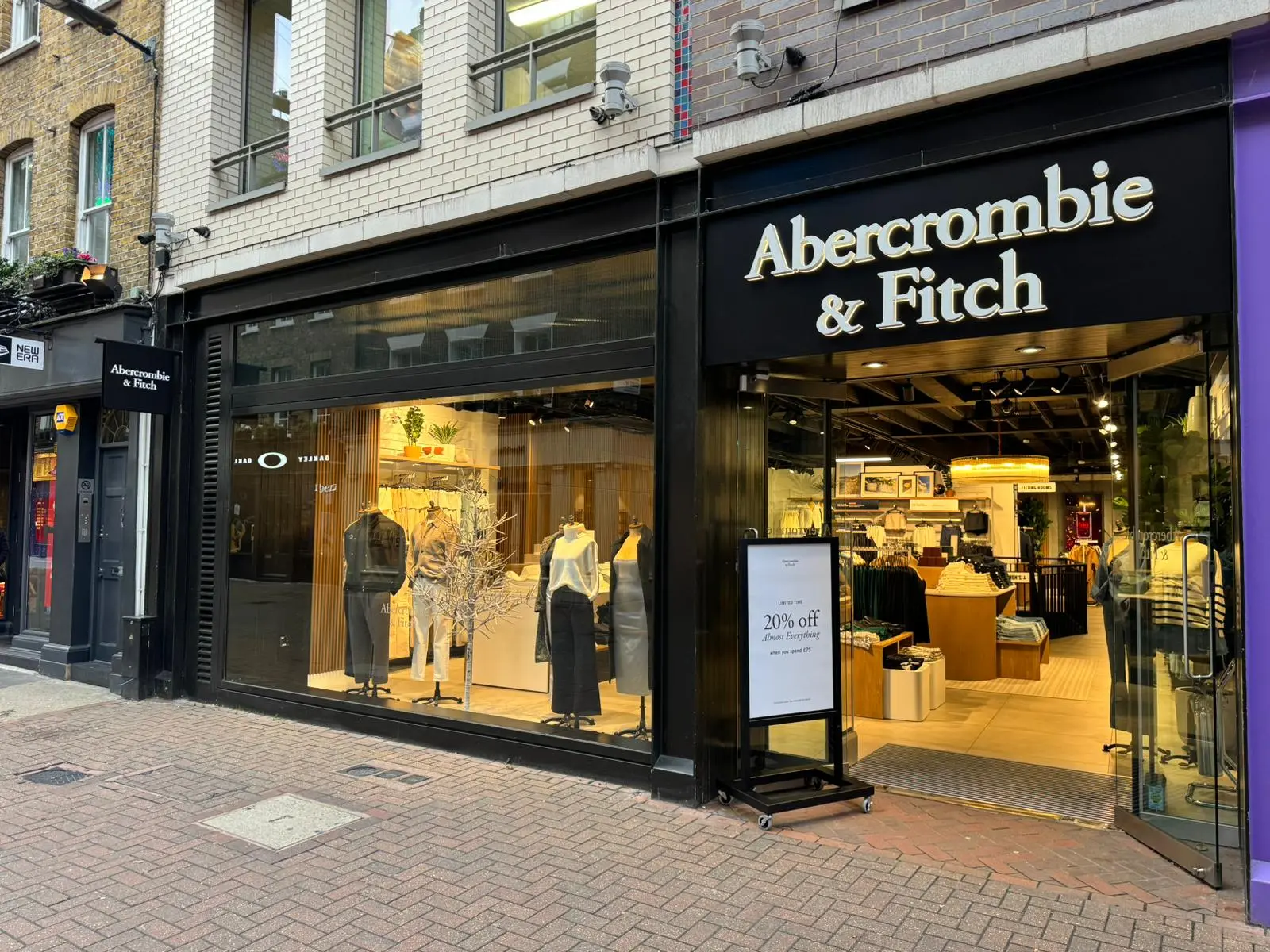
Abercrombie & Fitch Return Policy: 30 Days, Fees & Exchanges
A direct U.S. Abercrombie & Fitch order normally uses a 30-day return clock tied to delivery plus a condition test. Eligible online purchases can use the official return flow and many can also go to an Abercrombie store. Merchandise bought from another retailer follows that seller’s policy rather than Abercrombie.com’s process.
Start here: Clothing should remain in returnable condition with tags or packaging when those are part of the product. Wearing, laundering, altering or damaging merchandise after delivery can defeat a normal change-of-mind return. A genuine defect should be documented as a quality problem.
Related RefundGuides references: American Eagle Return Policy: Smart Refund Tips Before You Send It Back, Old Navy Return Policy Secrets Smart Shoppers Should Know, Zara Return Policy: Refunds, Exchanges & Warranty Rules.
Start with the transaction
A direct U.S. Abercrombie & Fitch order normally uses a 30-day return clock tied to delivery plus a condition test. Eligible online purchases can use the official return flow and many can also go to an Abercrombie store. Merchandise bought from another retailer follows that seller’s policy rather than Abercrombie.com’s process.
When the clock starts
The current online policy uses 30 days from the estimated or actual delivery date of the last shipment, whichever is later. That wording matters for split orders because several boxes can have different delivery dates. Start the return promptly instead of waiting for the final day.
What condition must look like
Clothing should remain in returnable condition with tags or packaging when those are part of the product. Wearing, laundering, altering or damaging merchandise after delivery can defeat a normal change-of-mind return. A genuine defect should be documented as a quality problem.
Choose the correct channel
Online customers start through Abercrombie’s return flow. Eligible online orders can also use an Abercrombie & Fitch store. The current U.S. mail route identifies a $7 return-service fee, so compare store and mail before choosing the channel.
Refund outcome
A qualifying timely return generally goes back to the original payment method. Gifts, merchandise credits or transactions that cannot be tied to the original tender can be handled differently. Bank posting begins after Abercrombie receives and processes the return.
Important exclusions
Final-sale markings and item-specific exclusions override the 30-day headline. Do not remove hygiene protection, special tags or packaging before deciding to keep a restricted product. A receipt from a third-party seller is not an Abercrombie.com order record.
The unusual part of this policy
For fit issues, preserve condition while deciding. Trying clothing indoors is different from wearing it to an event and washing it. A clean fit return with tags and proof gives support a much clearer transaction to process.
Evidence to preserve
Keep the order email, shipment history, return authorization, tracking and photos for damage or incorrect items. Bring the order confirmation when using a store return route.
Official support route
Use the live Abercrombie return page to start the request and confirm the current mail fee or seasonal extension. Holiday terms can change, so an older year’s deadline should not be copied forward.
A fit return without losing the delivery clock
Use the delivery record as the anchor for this clothing return. For Abercrombie & Fitch, treat delivery-clock review as the first note, then add fit-condition record beside it. That prevents a split shipment from quietly changing the last usable date. The purpose is not extra paperwork; it is to make the Abercrombie & Fitch request match the purchase that actually happened.
A useful Abercrombie & Fitch file has three article-specific signals: apparel fit decisions, tags and unworn condition and split online deliveries and store convenience. Pair those with split-shipment timing and store handoff. If one of those facts changes, re-check the applicable route before the item, contract or payment record changes further.
For timing, write the controlling event in plain language—purchase, shipment, delivery, activation, contract date or another published trigger—and place the Abercrombie & Fitch deadline next to it. For condition, note what can still be proven today. For routing, record whether mail-fee choice or apparel proof is the real path. This three-column approach prevents a deadline from being applied to the wrong seller or product class.
Stress-test the rule with two Abercrombie & Fitch cases
First ask: The final box in a split order arrives several days after the first. The published facts in this guide should answer that case without borrowing a rule from another company. Then test a second situation: Jeans were tried on indoors but not worn outside or washed. Comparing those two outcomes shows which fact—date, category, seller, condition or payment route—actually changes the result.
Now use two edge cases: You choose mail instead of a store. and The item came from another retailer. These examples are useful because a strong Abercrombie & Fitch guide should explain not only the ordinary path but also what breaks that path. If the exception controls, label the request accurately rather than asking support for a generic return.
Evidence worth keeping for Abercrombie & Fitch
Keep the shipment history, tags and authorization until the refund is visible. Add the order number, seller identity, relevant dates and any authorization or tracking that proves handoff. If support gives a different answer than the live written rule, quote the exact disputed point and attach the transaction-specific evidence instead of reopening the entire story.
| Decision point | What to establish |
|---|---|
| Delivery-Clock Review | Which event starts the applicable clock and whether a special category changes it. |
| Fit-Condition Record | Which seller, store, dealer, platform, contract or administrator owns the transaction. |
| Split-Shipment Timing | What receipt, identifier, condition record or authorization proves eligibility. |
| Store Handoff | Whether the expected result is original tender, credit, exchange, repair, fee-adjusted refund or another remedy. |
| Mail-Fee Choice | What must remain with the product or documentation before it leaves the customer. |
| Apparel Proof | Which official channel should handle an exception or escalation. |
Fit-return examples
The final box in a split order arrives several days after the first.
Use the last-shipment delivery wording when calculating the 30-day period and keep the shipment history.
Jeans were tried on indoors but not worn outside or washed.
A fit-based return is much cleaner when tags and condition remain intact.
You choose mail instead of a store.
Start through the official portal and account for the current $7 return-service fee.
The item came from another retailer.
Use that seller’s return policy; Abercrombie.com cannot refund a transaction it did not process.
Abercrombie return questions
When does the 30-day online period start?
From the estimated or actual delivery date of the last shipment, whichever is later, under the current U.S. policy.
Can online purchases go to a store?
Eligible online orders can generally use an Abercrombie & Fitch store, subject to exclusions.
Is mailing free?
The current standard U.S. mail-return service lists a $7 fee.
Can worn clothing be returned?
Ordinary preference returns should remain returnable; defects should be documented separately.
What proof should I save?
Keep the order confirmation, authorization and store receipt or carrier tracking.
Delivery-Clock Review: final pre-return notes
For Abercrombie & Fitch, connect delivery-clock review with apparel fit decisions before any handoff. Record the exact seller and date beside tags and unworn condition, then mark whether split online deliveries and store convenience changes the ordinary route. This keeps the Abercrombie & Fitch request tied to its own transaction rather than to a generic retailer assumption.
A split-shipment timing check should answer three narrow questions: who processed the purchase, what fact controls timing, and what evidence survives today. In the Abercrombie & Fitch context, use tags and unworn condition to test eligibility and split online deliveries and store convenience to test routing. If either answer is uncertain, verify the live source before changing condition or shipping the item.
Keep mail-fee choice separate from apparel proof. One describes whether the request can proceed; the other describes what result should follow. For Abercrombie & Fitch, that distinction matters because a timely request can still produce a different refund, credit, exchange, repair or fee outcome when the product class or seller differs.
When escalating a Abercrombie & Fitch case, mention apparel fit decisions, tags and unworn condition and split online deliveries and store convenience explicitly. Attach the receipt or contract, the relevant condition record, and the handoff evidence connected with fit-condition record. A transaction-specific question is easier to verify than a broad message asking support to “check the return.”
For Abercrombie & Fitch, connect mail-fee choice with apparel fit decisions before any handoff. Record the exact seller and date beside tags and unworn condition, then mark whether split online deliveries and store convenience changes the ordinary route. This keeps the Abercrombie & Fitch request tied to its own transaction rather than to a generic retailer assumption.
A delivery-clock review check should answer three narrow questions: who processed the purchase, what fact controls timing, and what evidence survives today. In the Abercrombie & Fitch context, use tags and unworn condition to test eligibility and split online deliveries and store convenience to test routing. If either answer is uncertain, verify the live source before changing condition or shipping the item.
Official sources
Bottom line: A direct U.S. Abercrombie & Fitch order normally uses a 30-day return clock tied to delivery plus a condition test. Eligible online purchases can use the official return flow and many can also go to an Abercrombie store. Merchandise bought from another retailer follows that seller’s policy rather than Abercrombie.com’s process.